Subfloor Drying in Houston, TX 77069
Wet plywood, swollen joists, or a floor that still feels cool can signal trapped moisture beneath the finish. Houston Water Damage Pros provides emergency drying service Houston homeowners need, with structural drying Houston property owners can measure and document.
How It Works
Getting the services you need is simple, fast, and completely hassle-free. We handle the heavy lifting so you don't have to.
1. Request a Quote
Call us or fill out our online form. We provide transparent, upfront pricing with no hidden fees.
2. Schedule Service
Choose a date that works for you. We offer flexible scheduling and on-time reliable delivery.
3. Job Done
We handle the delivery, service, and prompt pickup. You focus on your project, we handle the rest.
Services We Offer in Houston
Explore our full range of professional services — each tailored to meet your specific needs with quality and reliability.
Subfloor Drying
Subfloor drying covers wet plywood, joists, and crawl spaces, including 18-inch access areas. Typical jobs run $1,000–$4,000, based on moisture spread and equipment days.
Wall Cavity Drying
Wall cavity drying for homes and contractors uses moisture readings, Injectidry airflow, and concrete checks; typical jobs run $500–$2,500 based on access.
Post-Flood Drying
Post-Flood Drying clears moisture from homes and commercial spaces, including crawl spaces and soaked framing. Typical jobs cost $3,000–$10,000, depending on access and standing depth.
Emergency Structural Drying
Structural drying covers crawl spaces, wall cavities, and soaked framing. Typical jobs run $500–$2,500, based on access, equipment days, and damage scope.
Hardwood Floor Drying
Hardwood drying for leak-damaged floors, including a 2,400 CFM air mover setup. Typical jobs run $500–$2,000, based on access and affected square footage.
Burst Pipe Water Extraction
We extract burst-pipe water from homes and buildings, including soaked carpet and wall cavities. Whole-house jobs often run $2,500–$8,000, based on water category.
Apartment Water Extraction
Apartment Water Extraction covers standing flood water, soaked carpet, and shared-wall moisture for managers and residents. Pricing depends on unit count, access, and drying equipment.
Standing Water Removal
We remove pooled water from homes and buildings using a 50–100 GPM trash pump, then dry with equipment handling 130–200 pints daily. Typical jobs run $500–$2,500 by access.
Category 3 Water Extraction
Class 3 water extraction removes sewage, soaked carpet, and contaminated debris; typical jobs run $4,000–$15,000, driven by contamination class.
Why Local Businesses & Homeowners Choose Us
We're committed to delivering exceptional emergency water extraction & drying in Houston with professionalism you can count on.
Licensed & Insured
Every job is backed by full licensing and insurance coverage for your complete peace of mind.
Fast Response Times
We understand urgency. Contact us and get a response within hours, not days.
Upfront, Transparent Pricing
No hidden fees, no surprises. Get a clear quote before any work begins.
4.9-Star Rated
Hundreds of satisfied customers in Houston trust us for reliable, professional service.
Experienced Professionals
Our team brings years of hands-on expertise to every project, big or small.
Satisfaction Guaranteed
We stand behind our work. If you're not happy, we'll make it right.
Ready to Get Started?
Call now for a free estimate in Houston. Same-day service available!
What Floor Clues Require Subfloor Drying?
A musty odor after a pipe burst can come from wet plywood, insulation, or joists hidden below finished flooring. Houston’s high humidity can support mold growth within 24–48 hours when trapped moisture remains.
-
Persistent Odor: A musty smell suggests concealed moisture; our thermal imaging scan and moisture mapping locate wet areas before mold inspection.
-
Soggy Carpet: Carpet that will not dry may conceal saturated padding and subfloor; our carpet water extraction removes surface water before subsurface drying.
-
Cupped Boards: Warped hardwood after a leak can reflect uneven moisture; hardwood tenting may preserve boards instead of forcing full replacement.
-
Soft Floor Areas: Flexing near a kitchen or hallway can indicate wet structural wood; our Injectidry system reaches cavities where surface air movers cannot.
The ANSI/IICRC S500 water standard supports measured drying rather than guesswork. If odor, soft flooring, or warped boards persist, contact Houston Water Damage Pros before secondary damage spreads around Buffalo Bayou Park.
How Does Houston Subfloor Drying Finish?
The first step is a scope call, where our team records the affected rooms, flooring type, water source, and access conditions.
-
Site Assessment: We inspect from the finish surface downward, document readings, and coordinate HOA after-hours building access when needed near River Oaks.
-
Water Removal: We complete linked standing water removal first, then protect unaffected areas before subfloor equipment enters.
-
Cavity Drying: Injectidry wall-cavity drying reaches enclosed spaces, while dedicated circuits support dryers and daily amp-draw checks protect the property.
-
Completion Check: We compare daily readings with the dry standard; wood commonly targets 8–12% moisture content, with drying often lasting 3–5 days.
Houston’s June–November Atlantic hurricane season can increase scheduling demand, so early documentation helps. Our crew explains equipment placement, access, and next steps before leaving the site.
Why Hire Pros for Subfloor Drying?
After flooding near the Texas Medical Center, a household fan may dry the surface while moisture remains below plywood. Professional subfloor drying measures the hidden assembly and matches equipment to the affected volume.
- Permit Awareness: City of Houston building permits may apply when flooring, drywall, or structural materials require removal; our team separates drying from reconstruction decisions.
- Correct Sizing: LGR dehumidifiers and air movers must match room volume, moisture load, and available circuits, rather than relying on household appliances.
- Safer Handling: Category 3 black water requires restricted access, protective procedures, and proper Category 3 sewage disposal instead of casual cleanup.
- Clear Scope: We document readings and itemize work, helping customers compare a focused drying plan against unnecessary replacement.
FEMA flood zone maps and Harris County Flood Control District information can help explain recurring exposure, but they cannot confirm indoor moisture. Houston Water Damage Pros can review the affected assembly and coordinate hardwood floor drying when boards remain salvageable.
What Should You Prepare Before Drying?
Before scheduling subfloor drying Houston, photograph the affected rooms, flooring edges, baseboards, and any visible water line. Note when the leak or storm occurred, which rooms share the floor, and whether the source was clean or contaminated.
Measure the approximate affected square footage and identify crawl-space entrances, stairs, narrow hallways, elevators, and parking limits. These details help our crew plan equipment placement and determine whether crawl space water removal belongs in the same visit.
Keep pets secured and clear furniture from wet areas when safe. Do not remove flooring without written approval, since hidden moisture and material condition affect the drying record.
An LGR dehumidifier, air mover, moisture mapping, and subsurface extraction may be selected after inspection. The IICRC S500 water damage restoration standard supports documenting conditions, readings, and drying goals rather than relying on touch alone.
Houston’s Gulf moisture can slow drying around Montrose, so access and photographs improve the initial scope review.
What Does Subfloor Drying Include?
A leaking appliance can wet flooring, wall bases, and insulation at once, so Houston customers often need connected services. Our crew separates each task and records its relationship to the floor assembly.
- Plywood Subfloor Drying: We dry wet plywood beneath carpet, tile, or resilient flooring while checking moisture migration through seams and edges.
- Crawl-Space Floor Drying: We address wet joists and insulation through limited access, coordinating crawl space water removal when standing water remains.
- Hardwood Floor Drying: We assess cupping and swelling, then consider tenting methods before replacement becomes necessary.
- Slab-Adjacent Drying: We investigate moisture beside poured concrete and use readings to distinguish surface dampness from a continuing leak.
- Wall-Base Cavity Drying: We connect floor work with wall cavity drying when water traveled behind baseboards or drywall.
The ANSI/IICRC S500 water standard supports measured documentation, while City of Houston building permits may affect later demolition or reconstruction. NFIP flood insurance records can also help organize storm-related documentation near Downtown Houston.
How Much Does Subfloor Drying Cost?
A small wet area beneath one room costs less than a whole-house burst-pipe project, especially when flooring must be lifted. Estimates vary; final quotes depend on water category, square footage, and site conditions.
- Single-Room Floor Drying: $400–$1,200 square footage, flooring access, and equipment duration.
- Burst-Pipe Whole House: $2,500–$8,000 water category, affected rooms, and concealed moisture.
- Basement-Connected Floor Work: $3,000–$10,000 standing depth, structural spread, and extraction volume.
- Category 3 Sewage Drying: $4,000–$15,000 contamination class, disposal requirements, and demolition.
A 12-inch extractor wand may reduce residual water before drying equipment starts, but access and material condition still affect the scope. Our Emergency Structural Drying work is sized from readings rather than a flat package.
Contact Houston Water Damage Pros at (321) 361-4577 for a final quote matched to the job scope.
Frequently Asked Questions
Got questions about emergency water extraction & drying in Houston? We have answers.
Can HOA rules delay Subfloor Drying after a pipe burst?
Yes, HOA rules can limit equipment placement, elevator use, parking, or after-hours access, but they do not change the need to assess wet flooring. Houston Water Damage Pros can document the affected assembly, coordinate building access, and explain equipment needs before work begins.
What should I photograph before scheduling Subfloor Drying?
Photograph flooring seams, warped boards, baseboards, wet carpet, crawl-space entrances, and the suspected leak source, then estimate affected square footage. Include the leak time, water type, and access limits so our team can prepare moisture mapping and a focused quote.
Do Subfloor Drying jobs require permits or special codes?
Drying alone may not require the same permit as demolition, but flooring or structural removal can involve City of Houston building permits and local requirements. Our scope follows the IICRC S500 water damage restoration standard, while sewage work must account for OSHA 29 CFR 1910.120 HAZWOPER procedures and TCEQ disposal rules.
Should Subfloor Drying be combined with another service?
Yes, Subfloor Drying should be combined with Emergency Water Extraction & Drying when standing water, wet carpet padding, or wall migration remains. A burst pipe, crawl-space intrusion, or Category 3 black water event may also require linked extraction, containment, and disposal before drying can reach the dry standard.
What proves Subfloor Drying is complete, and is follow-up included?
Completion means documented readings meet the agreed dry standard, with wood commonly targeted at 8–12% moisture content and concrete often checked below 4%. Our team provides daily moisture records, reviews remaining material concerns, and can coordinate mold inspection after drying or structural reconstruction when the scope requires it.
Meet Your Local Experts
Daniel Morales Lead Expert
Houston Water Damage Pros
"Fast Extraction, Measured Drying, Houston Ready"
I started in Houston property maintenance and moved into water restoration after seeing how Hurricane Harvey and Brays Bayou flooding damaged homes and small businesses. I learned that psychrometry, moisture mapping, and a clear dry standard matter as much as fast extraction, especially in Houston's high humidity. After the winter freeze from Uri in 2021, I built this company around careful burst-pipe response, wall cavity drying, and respectful service for local property owners.
Featured Work & Projects
Browse our recent jobs and quality workmanship for customers across Houston.
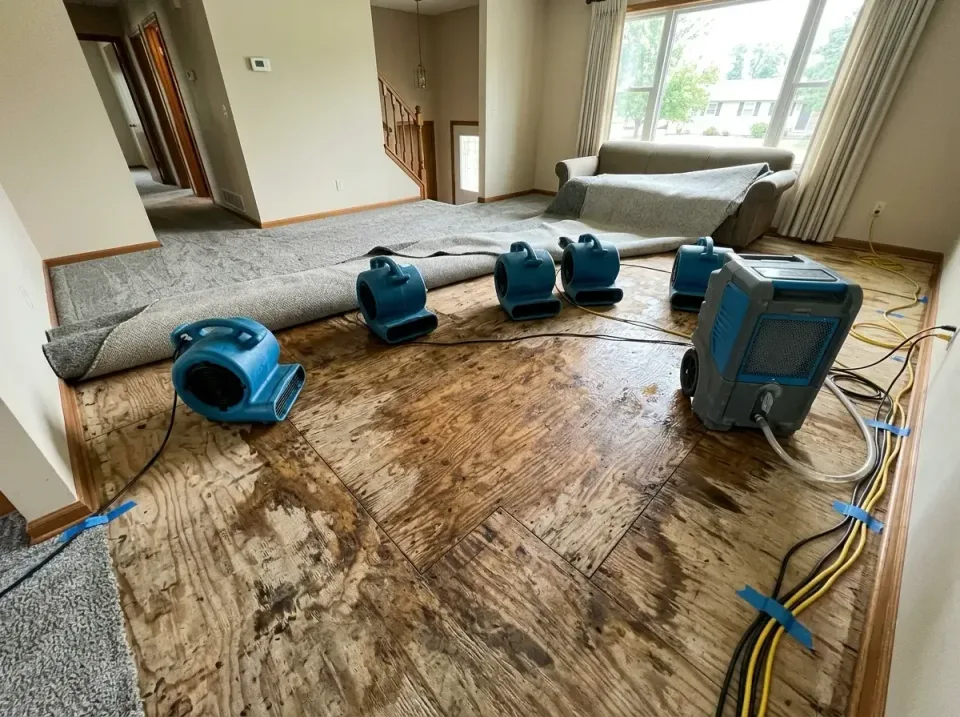
Air Mover — Residential Interior
Complete on-site emergency water extraction & drying execution
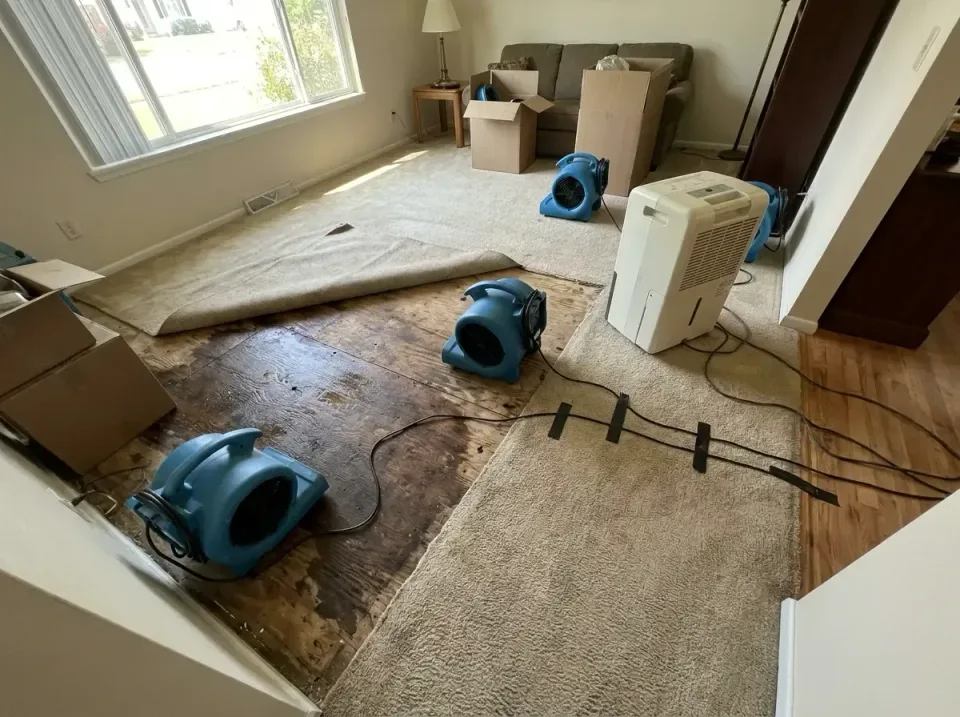
Blue Air Mover — Residential Living Room
Same-day delivery and flexible scheduling
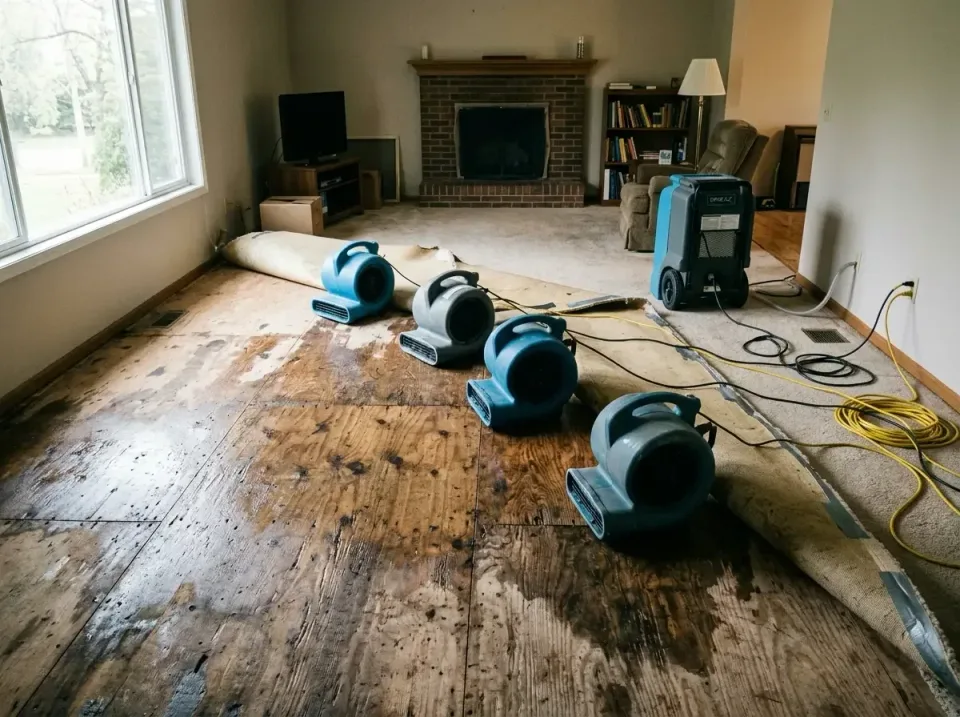
Air Mover — Residential Living Room
Heavy-duty equipment placement and prompt pickup
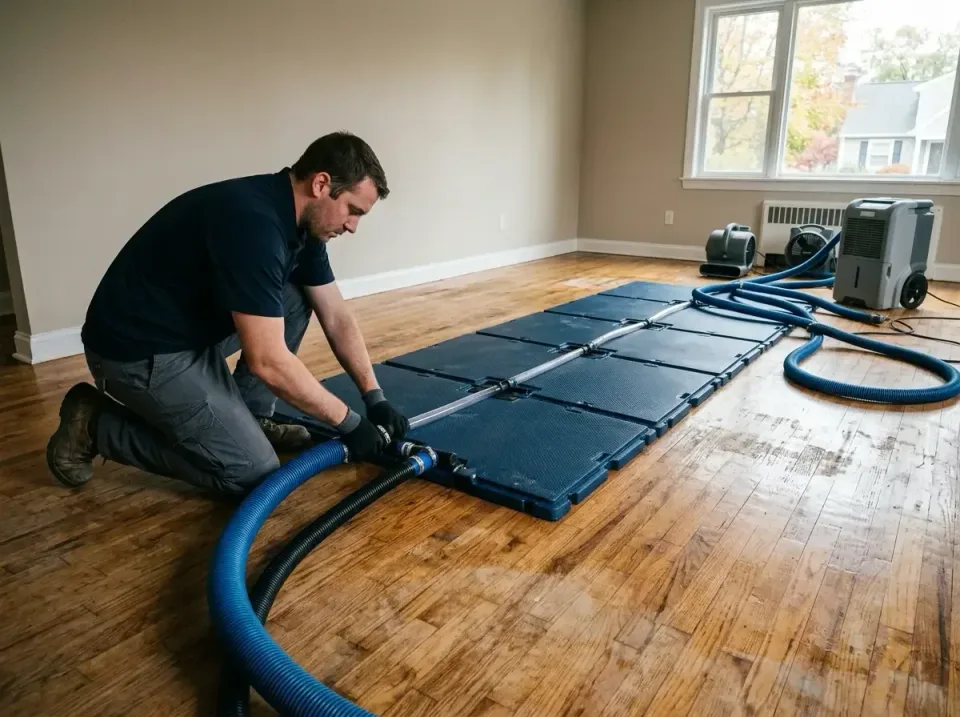
Restoration Technician — Residential Interior
Custom service setup tailored to site needs
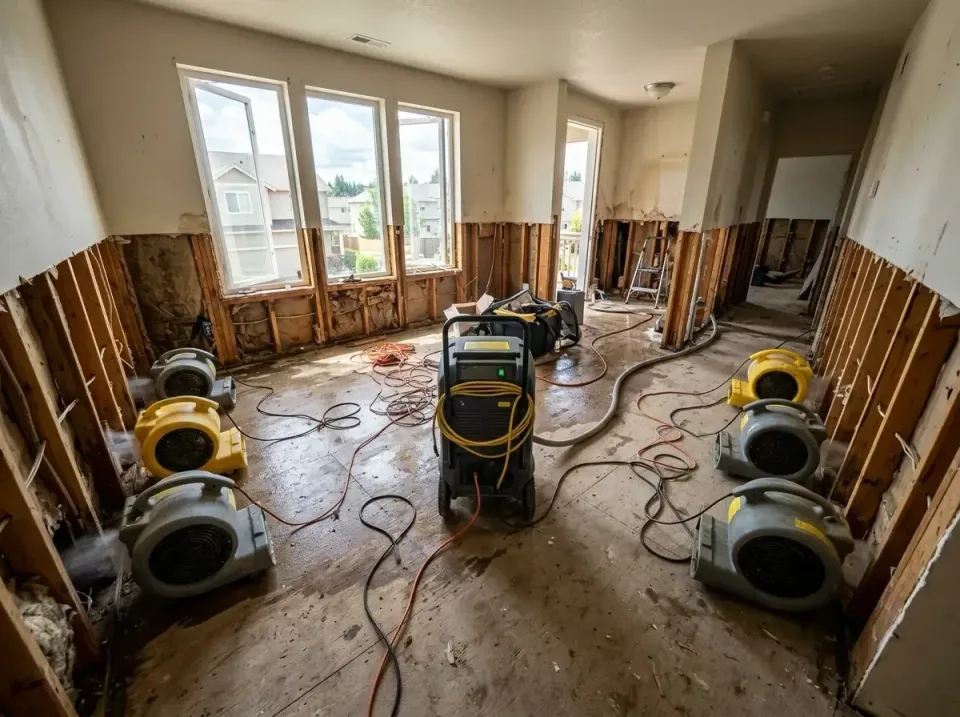
Industrial Dehumidifier — Water Damage Restoration
Event-ready restroom and sanitation deployment
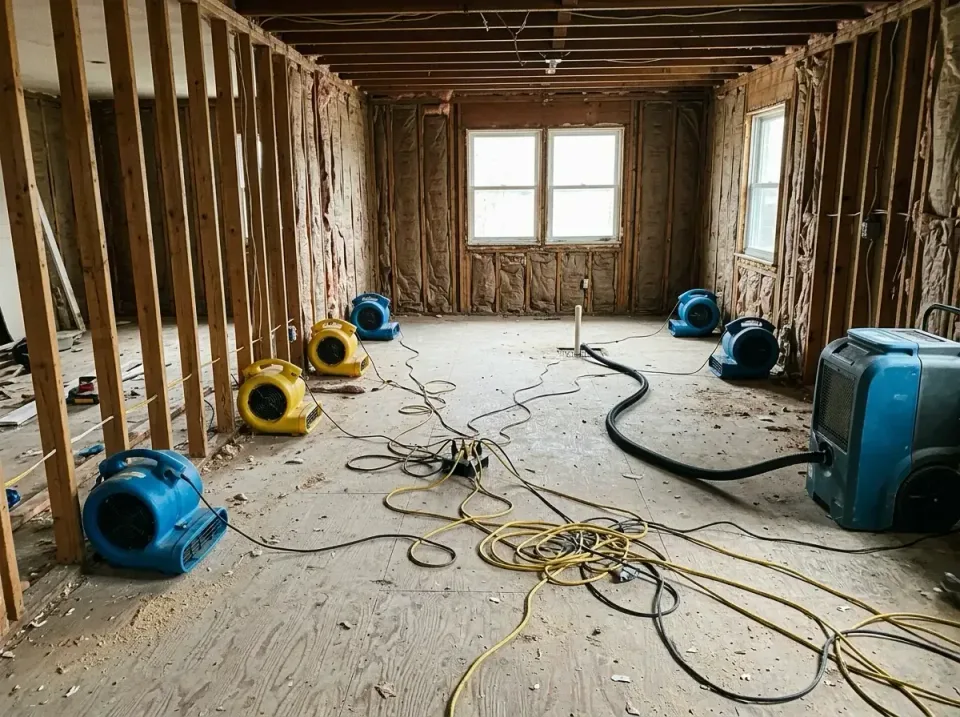
Air Mover — Water Damage Restoration
Construction site service with reliable maintenance
Get Your Free Quote Today
Fast response · No obligation · Transparent pricing
Call now or request a quote online. We'll have your units scheduled and delivered within 24 hours.
Where We Serve
Emergency Water Extraction & Drying available across Houston and nearby communities.